Commerce Ministry, exporters discuss strategies for 2025 rice exports amid global market volatility (THE NATION, 8 Aug 2025)
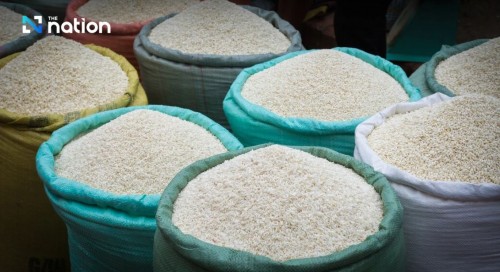
hailand's Commerce Ministry and rice exporters plan strategies to boost rice exports amidst global market fluctuations, focusing on key markets and production adjustments.



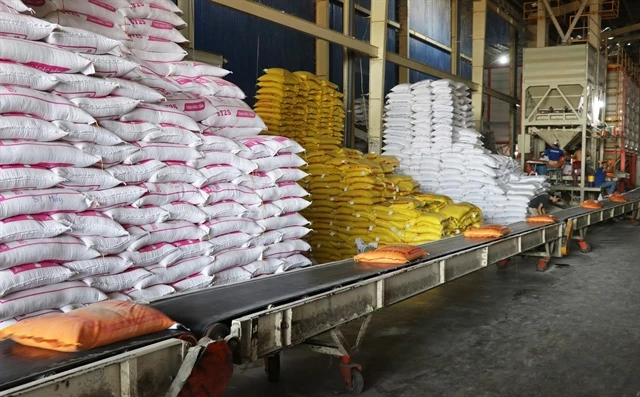

Global rice markets are bracing for turbulence after reports that India, the world’s largest rice exporter, is preparing to release around 20 million tonnes of stockpiled rice in September.
16 ก.ย. 2568
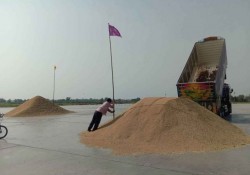
Paddy rice is piled on a concrete floor. The Commerce Ministry wants to export rice to Asian markets with potential to overcome a demand decline.
16 ก.ย. 2568

Thailand proposes agricultural tariff cuts to the US, aiming for zero tariffs on key exports, while reducing trade imbalance faster to gain a better deal.
16 ก.ย. 2568